Pokelike Battle Tower Guide: Starters and Synergy
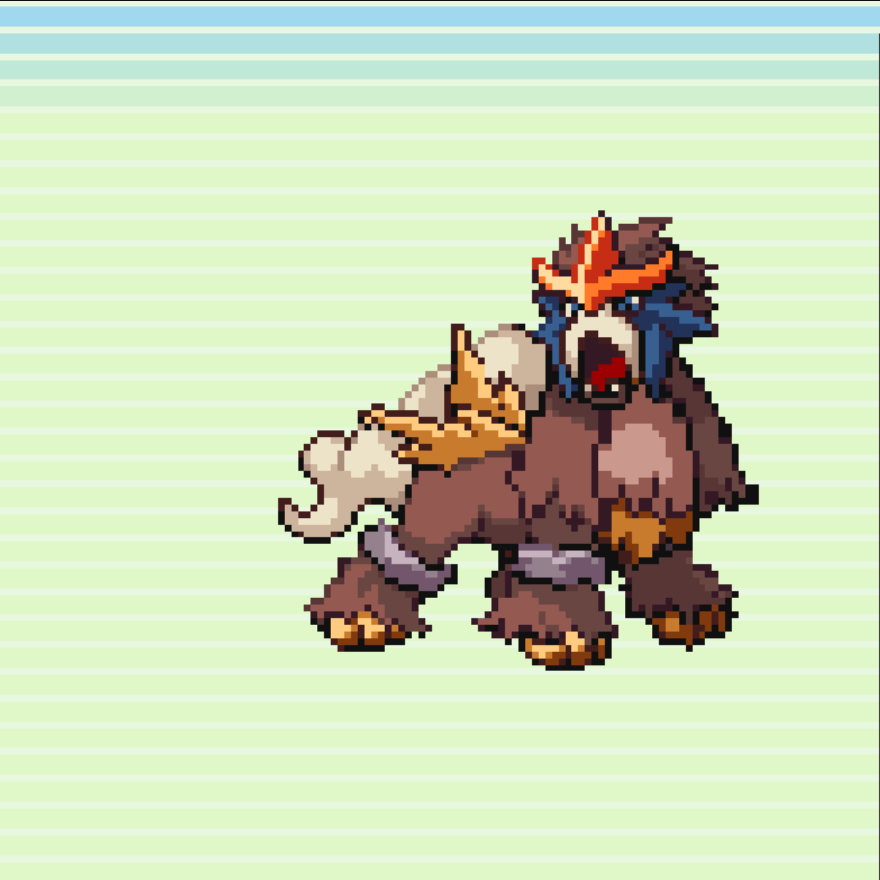
The Pokelike Battle Tower asks a different question from a normal Story run: can your plan keep working across staged maps and regional bosses? According to the current game menu, Tower runs let you select a starter from Pokémon you have caught, build type traits during battle, and progress across five regions. That makes long-term upgrade choices as important as any single catch.
This Pokelike Battle Tower guide focuses on decisions that remain useful when balance changes: how to choose a starter, limit your upgrade pool, develop trait synergy, and build a roster that can survive more than one favorable matchup. You can enter the Battle Tower on the official Pokelike site when you are ready to test the plan.
Table of contents
- The quick answer
- Choose a starter by function
- Keep the upgrade pool focused
- Build around type traits
- Value levels, speed, and reliability
- Draft support instead of copies
- Prepare for regional bosses
- Tower checklist
The quick answer
The safest Pokelike Battle Tower strategy is to start with a Pokémon that has a clear early job, invest in a small group of dependable starters, and add teammates that strengthen one or two useful type-trait lines without creating a shared weakness. Prioritize reliable levels, a sensible battle order, and coverage for the next boss. Do not upgrade every interesting Pokémon: a focused pool makes future choices easier to understand and support.
There is no permanent “best starter” for every player and region. Your best choice is the strongest option your account has developed and your route can support.
Choose a Battle Tower starter by function
Evaluate a starter as the first piece of a system, not as a complete team. A good Tower starter usually offers several of these qualities:
- enough early power to avoid losing momentum;
- useful speed or bulk without demanding perfect items;
- a typing that supports a trait plan;
- move coverage that reduces urgent catch requirements;
- an evolution path that fits the expected run length.
Before starting, state the Pokémon's job in one sentence: “This is my fast carry,” “this survives while the team scales,” or “this activates my trait line.” If you cannot define the job, later catches become harder to judge. Rarity never replaces team logic.
Keep the upgrade pool focused
Community Battle Tower discussions repeatedly warn against upgrading too many Pokémon. A broad collection can spread progress across choices that compete for the same role. A smaller core is easier to practice and support.
Begin with three to six candidates covering different functions: perhaps one fast attacker, one durable starter, and one flexible dual-type option. Add another only when it solves a new problem.
Only upgrade a Pokémon you would willingly select for a difficult regional stage. Updates can change a tier list; focused investment remains useful.
Build around type traits
Type traits add power through roster composition. Build a bonus line that supports what the team already wants to do instead of stacking matching labels blindly.
Start with one primary trait direction. Dual types can bridge two lines, but every slot must still function. Reaching a stronger trait while becoming helpless against one common counter is not an improvement.
Use this three-step audit:
- Identify the trait that helps your starter's role.
- Add members that contribute to it while covering weaknesses.
- Stop stacking when the next slot would damage matchup coverage.
Traits amplify a coherent roster. They do not repair six poorly matched members.
Value levels, speed, and reliability
Tower runs punish inconsistent plans. A powerful Pokémon that acts too late or arrives underleveled may never use its advantages. Trainer battles and experience-generating choices can therefore be worth more than another speculative catch.
Speed can prevent damage, but it must be judged alongside durability and reliable moves. A fast member that cannot finish a target may only expose the next slot.
Assign every important item an outcome: a knockout, a survived hit, or a safer handoff. Otherwise, move it to another teammate.
Draft support instead of copies
Once the starter is stable, resist drafting six versions of the same strength. Add support that answers the starter's counters, handles a different defensive profile, or preserves the carry for a later boss.
Shared weaknesses are dangerous in automatic combat because one matchup can pass through several slots. Check offensive coverage and defensive overlap whenever a candidate appears. The Pokelike team building guide provides a complete six-slot audit.
Battle order completes the plan. Use a safe opener when the carry needs protection, move a boss specialist forward, and save a healthy closer for the final enemy.
Prepare for regional bosses
Do not wait for a boss node to discover a gap. Identify the intended boss answer and the teammates responsible for reaching that matchup safely.
Near a checkpoint, take the catch that fills a role, the battle that prevents a level deficit, or the item that changes the boss matchup.
After a loss, record the first failed job: perhaps the opener lost too much health, traits forced type overlap, or the carry entered too early. Fix that cause next time. For route fundamentals, revisit the Pokelike beginner's guide.
Pokelike Battle Tower checklist
Before entering the next stage, verify:
- the starter has one clear role;
- permanent upgrades are concentrated in a small useful pool;
- the roster supports one or two deliberate trait lines;
- no single weakness threatens several consecutive slots;
- items produce specific matchup advantages;
- the team order is set for the next boss, not the previous fight.
The Battle Tower rewards a repeatable system more than one lucky draft. Focus your upgrades, build traits without sacrificing coverage, and review every loss as evidence. For more routes and fundamentals, visit the Pokelike strategy homepage or the Pokelike blog archive.